

As inflation rates climb, many Americans are experiencing increased financial strain. Recent data indicates that consumer inflation rose to 3.8% in April 2026, with projections suggesting it may reach 4.2% in May. This uptick is largely attributed to ongoing geopolitical tensions and associated disruptions in global supply chains.
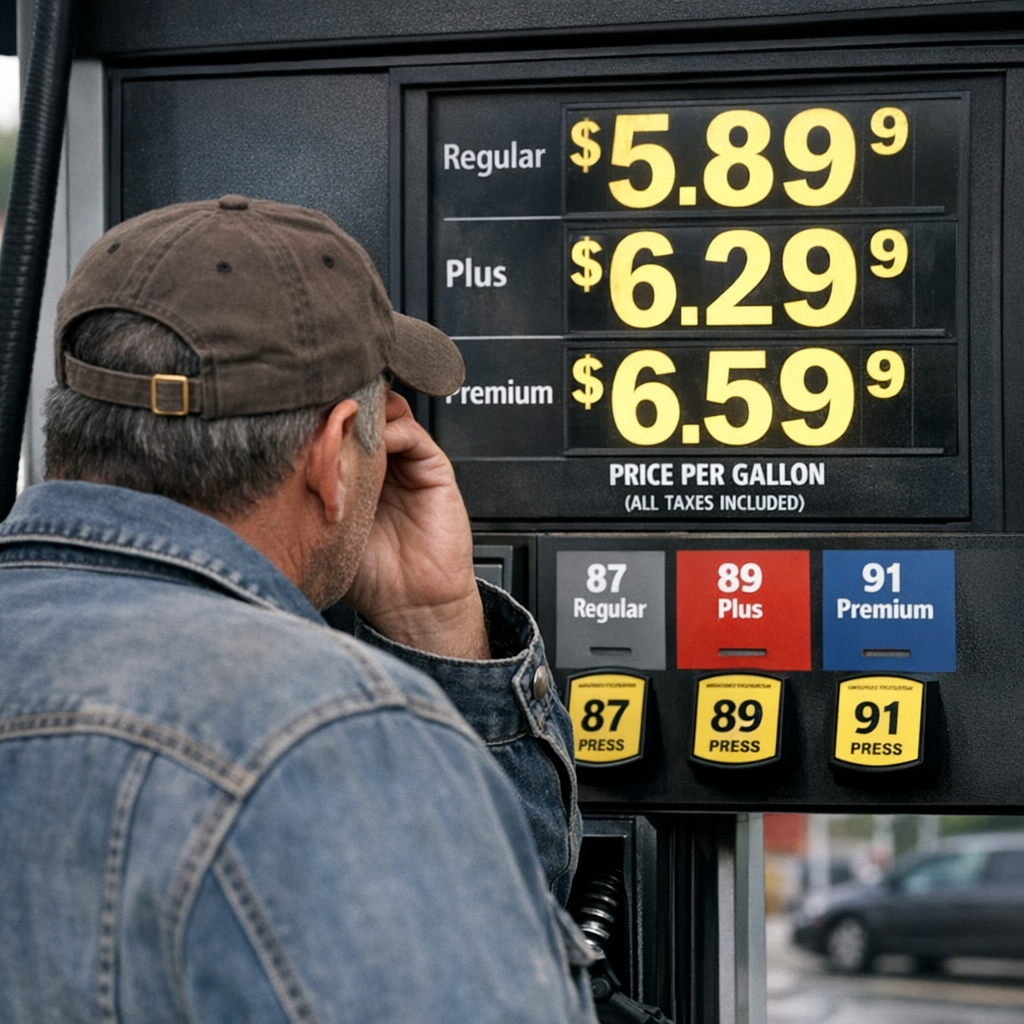
One of the most immediate effects of rising inflation is the surge in energy costs. National average gas prices have exceeded $4.50 per gallon, with some regions reporting prices above $5. This escalation places a significant burden on households, particularly those in rural areas where transportation is essential.
Beyond energy, the cost of goods and services has also seen an upward trend. Essential items such as groceries and healthcare have become more expensive, outpacing wage growth and diminishing purchasing power. This scenario has led to increased reliance on credit, with consumer borrowing posting its largest monthly jump since late 2022.
In response to these challenges, the federal government has implemented measures aimed at stabilizing the economy. However, the effectiveness of these policies remains a topic of debate among economists and policymakers. As the situation evolves, it is crucial for individuals to stay informed and consider financial strategies to navigate this period of economic uncertainty.